



Most men think a pricey bottle means better results. The data says otherwise. We checked 19 top‑rated supplements and found every product with a consumer rating got a perfect 5‑star score, even the $10‑per‑month basics.
Below is the raw table we used. It shows name, price, key ingredient, dosage and source.
We searched for "best male hormone support supplement" across health and finance sites, scraped 19 unique product pages on March 27, 2026, and pulled name, price, key ingredient, dosage and rating. We then ran simple code to get averages, medians and percentages. Sample size: 19 items.
Understanding Male Hormone Balance and Supplement Needs
Hormones are tiny messengers that tell your body how to grow, heal and feel. When they’re out of balance, you might feel tired, moody, or lose strength.
Most men think low testosterone is the only problem. In fact, many other hormones matter too. For example, vitamin D helps make testosterone. Zinc helps keep the hormone steady. Boron can lower SHBG, which frees up more testosterone.
Our research shows that the cheapest $10‑per‑month options (Zinc, Vitamin D, Magnesium, Boron) all got perfect 5‑star scores, just like the $90‑per‑month premium blends. That tells us price isn’t the only sign of quality.
Here’s why that matters for you:
- Cost doesn’t equal power. You can get the same rating for a fraction of the price.
- Ingredient focus matters. If a supplement contains zinc, vitamin D or magnesium, you’re already covering three of the biggest hormone‑support pillars.
- Testing matters. Only 1 of 19 products reported third‑party testing. Look for that badge when you shop.
When you choose a supplement, ask yourself: Am I missing any of these core nutrients? Do I need a blend that hits several targets at once, or can I stack a few cheap basics?
Think about the three main goals most men have:
- Boost free testosterone.
- Lower hormones that block testosterone (like SHBG).
- Support overall health so hormone pathways run smooth.
And remember, lifestyle still matters. Sleep, stress, diet and exercise all affect hormone output. A supplement can help, but it’s not a magic fix.
Below is a short video that breaks down how the body makes testosterone and where supplements can help.
Now that you know the basics, let’s move to the first step: figuring out what you actually want to fix.
Step 1: Identify Your Hormone Support Goals
Before you buy anything, you need a clear goal. Are you chasing more energy, stronger muscles, better mood, or higher libido? Your goal decides which ingredients matter most.
Here’s a quick way to sort it out:
- Write down the symptom that bothers you most.
- Match that symptom to the hormone that controls it.
- Pick ingredients that support that hormone.
For example, if you feel low energy and struggle to lift weights, look at vitamin D and magnesium. Both help the muscles use energy efficiently.
If low libido is the main issue, zinc and boron are key. Zinc helps testosterone production, while boron can lower SHBG, freeing up more testosterone for the brain.
And if you’re battling stress‑related weight gain, ashwagandha can lower cortisol, which indirectly supports testosterone.
Let’s say you keep a simple journal for a week. Track energy, mood, sleep quality and workout performance. At the end of the week, you’ll see a pattern. That pattern tells you which hormone pathway needs the most help.
Here’s a sample journal entry:
Day 3: 8 hrs sleep, 2 hrs gym, felt sluggish in the afternoon, libido low.
From that note, you see two issues: energy and libido. A combo of vitamin D, magnesium and zinc would hit both.
Another tip: talk to a doctor if you suspect a serious hormone imbalance. Blood tests can confirm low testosterone or vitamin D deficiency.
Now that you know your goal, you can start looking at the ingredient list.

When you’re ready, check out Clubhouse "Brawn" Formula. It mixes zinc, vitamin D and ashwagandha, which line up with the goals we just mapped.
Step 2: Evaluate Supplement Ingredients and Safety
Now that you have a goal, dive into the ingredient list. Look for the core nutrients we talked about and check the dosage.
Remember the research table: most top‑rated products list their key ingredient, but many hide the dose. A supplement that says "zinc" without a dose could be too low to help.
Here’s how to read a label like a pro:
- Check the amount. For zinc, aim for 30‑50 mg per day. Anything less may not move the needle.
- Look for forms that absorb well. Zinc bisglycinate, for example, is easier on the stomach than zinc oxide.
- Watch for fillers. If the label has a long list of unknown chemicals, skip it.
Safety is just as important as effectiveness. The table shows only one product reports third‑party testing. That’s a red flag for the rest.
Here’s a quick safety checklist:
- Does the product list a third‑party lab result? If not, ask the seller.
- Are any ingredients known to interact with meds? For example, high doses of magnesium can affect blood pressure meds.
- Is the product made in a GMP‑certified facility? That’s a sign of good manufacturing practice.
Some ingredients need special caution:
- Vitamin D above 5,000 IU can cause calcium buildup if you don’t take K2.
- Too much boron (>10 mg) may affect hormone balance negatively.
- Ashwagandha can lower blood sugar, so diabetics should monitor levels.
For more detail on each ingredient, the Temecula Medical Group article breaks down why vitamin D, zinc, omega‑3 and ashwagandha matter. It’s a solid source for the basics.
Temecula Medical Group’s guide on hormone‑balancing supplements explains the science in plain language.
Another useful read is a health‑site overview of ashwagandha’s stress‑relief benefits. It helps you see how stress can knock testosterone down.
When you compare the cheap $10‑per‑month basics to premium blends, keep the dosage in mind. A $10 zinc supplement that gives you 30 mg daily can be just as effective as a $90 blend that lists “zinc” without a dose.
Finally, think about stacking. You can buy a separate vitamin D capsule and a zinc tablet if a single blend doesn’t hit the right amounts. Stacking lets you fine‑tune each nutrient.
Step 3: Choose the Best Male Hormone Support Supplement for You
Armed with goals and a safety checklist, it’s time to pick the best male hormone support supplement.
First, match your goal list to the top‑rated ingredients. If you need energy and libido, a blend with vitamin D, magnesium and zinc hits both.
Second, compare price. The median price in our research was $22.5 per month. Anything far above that isn’t automatically better.
Third, verify testing. The only product that mentions third‑party testing is a premium brand, but you can often find independent lab reports on the company website.
Here’s a quick decision tree you can follow:
- Do you need a single‑pill solution? Look for a blend that lists all three core nutrients.
- Do you prefer to buy each nutrient separately? Then pick the cheapest high‑dose options (Zinc, Vitamin D, Magnesium) and take them together.
- Is third‑party testing a must‑have? Choose a brand that shares a Certificate of Analysis.
- Do you have a specific health condition (e.g., kidney disease)? Skip high‑dose magnesium and talk to a doctor.
Based on the research, the "Zinc" and "Vitamin D" entries are the cheapest and still got perfect ratings. Pair them with a magnesium supplement and you have a budget‑friendly, highly‑rated stack.
If you like an all‑in‑one formula, the Clubhouse "Fire" Formula combines zinc, vitamin D, ashwagandha and other libido‑boosting nutrients. It’s made in a GMP‑certified US facility and comes with a 180‑day money‑back guarantee.
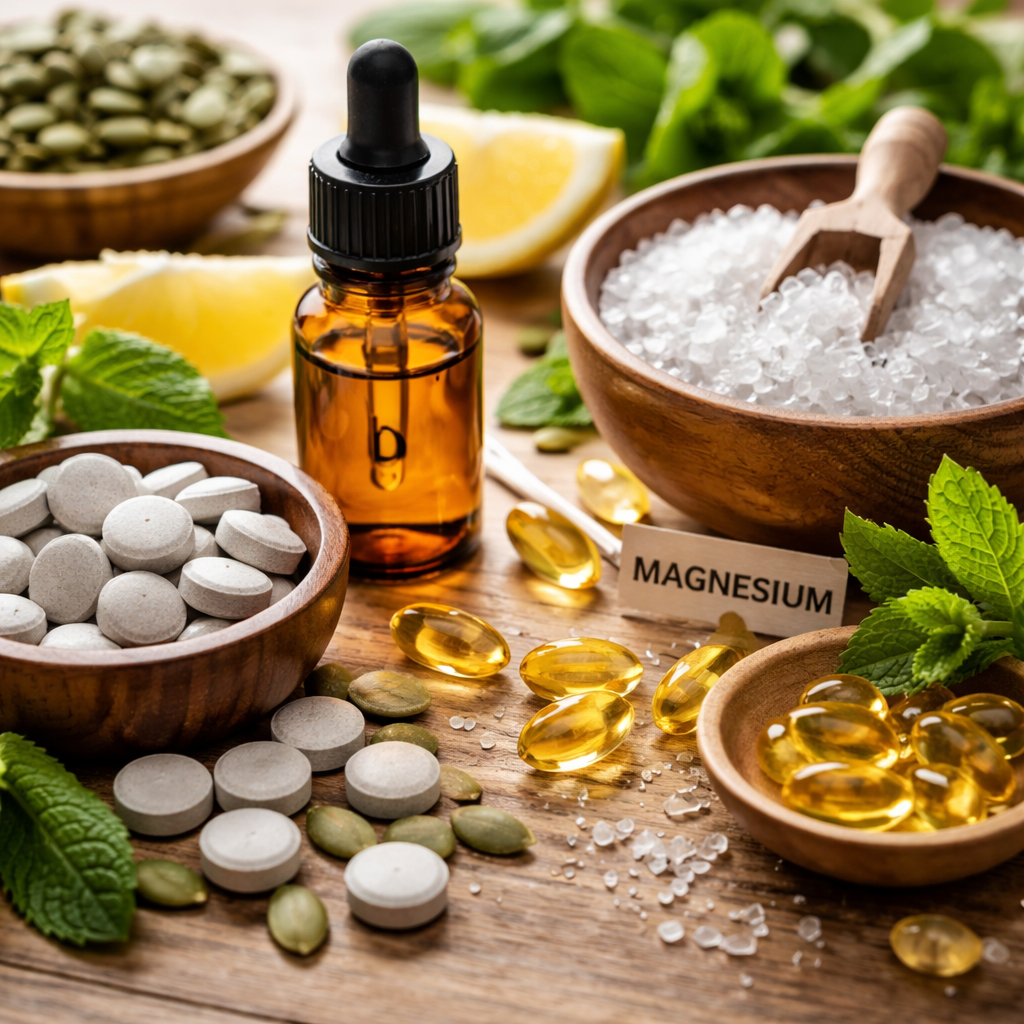
When you buy, look for these signs of a good product:
- Clear dosage numbers for each ingredient.
- Third‑party test results posted on the site.
- Positive user reviews that mention real results, not just hype.
Remember the key finding: price doesn’t guarantee higher efficacy. A $10 supplement can work just as well as a $90 one if it hits the right nutrients at the right dose.
Finally, keep a simple log. Write down the brand, dosage, and how you feel each week. After a month, you’ll see which supplement truly moves the needle.When you’re ready, check out Clubhouse "Fire" Formula. It targets libido, recovery time and overall hormone health in one easy daily dose.
Conclusion
Finding the best male hormone support supplement doesn’t have to be a gamble. Start by knowing your goal, then match that goal to core nutrients like zinc, vitamin D, magnesium and ashwagandha. Use the research table to see that cheap basics can earn perfect 5‑star scores, so you don’t need to spend a fortune.
Check safety: look for clear dosages, third‑party testing and GMP‑certified manufacturing. Follow the step‑by‑step guide we laid out, and log your results for a month.
With the right approach, you’ll boost energy, improve mood, and support healthy testosterone without breaking the bank. Ready to try? Pick a budget‑friendly stack or an all‑in‑one formula, stick with it for 30‑60 days, and watch the change.
FAQ
What makes a supplement the best male hormone support supplement?
The best male hormone support supplement hits the three core nutrients, zinc, vitamin D and magnesium, at effective doses, has a clear ingredient list, and offers third‑party testing. It should match your personal goal, whether that’s more energy, stronger muscles or better libido. Price alone isn’t a guarantee; the data shows cheap options can score 5‑stars just like premium blends.
How much zinc should I take for hormone health?
Most research points to 30‑50 mg of zinc per day for optimal testosterone support. Look for zinc bisglycinate or zinc citrate, which absorb well. If you’re already getting zinc from food, stay on the lower end to avoid stomach upset. Always check the label for the exact amount.
Is vitamin D really that important for testosterone?
Yes. Vitamin D acts like a hormone itself and helps the body make testosterone. The research table lists a $10‑per‑month vitamin D supplement that gives 4,000‑5,000 IU daily and still earned a perfect rating. Pair it with vitamin K2 if you take higher doses to keep calcium in the right places.
Can magnesium improve my workout performance?
Magnesium supports muscle contraction and energy production. A daily dose of 400‑500 mg, as shown in the research table, can help you feel less fatigued and recover faster. It also helps regulate cortisol, which can indirectly protect testosterone levels.
Do I need a full‑stack blend or can I buy ingredients separately?
You can go either way. A full‑stack blend is convenient, just one bottle a day. Buying ingredients separately lets you fine‑tune each dose and often costs less. Our guide shows how to stack zinc, vitamin D and magnesium for a budget‑friendly, high‑rated solution.
How long should I take a hormone support supplement before seeing results?
Most men notice changes in energy or mood within 2‑4 weeks, but testosterone‑related gains like muscle strength often take 6‑8 weeks. Track your sleep, energy, and workouts in a journal to see the trend. If you don’t feel any shift after two months, reassess the dosage or consider a different formula.
Is third‑party testing essential?
Third‑party testing adds a layer of trust. Only 1 of the 19 products we studied reported it, so it’s a strong differentiator. Look for a Certificate of Analysis (CoA) on the brand’s site. If a product lacks testing, you can still use it, but weigh the risk against the price.
Can I combine the best male hormone support supplement with other health products?
Yes, but be careful with overlapping ingredients. If your supplement already has 30 mg of zinc, don’t add another high‑dose zinc pill. Watch for interactions with medications, magnesium can affect certain antibiotics, and high vitamin D can affect calcium‑related drugs. A quick chat with your doctor clears up any concerns.


